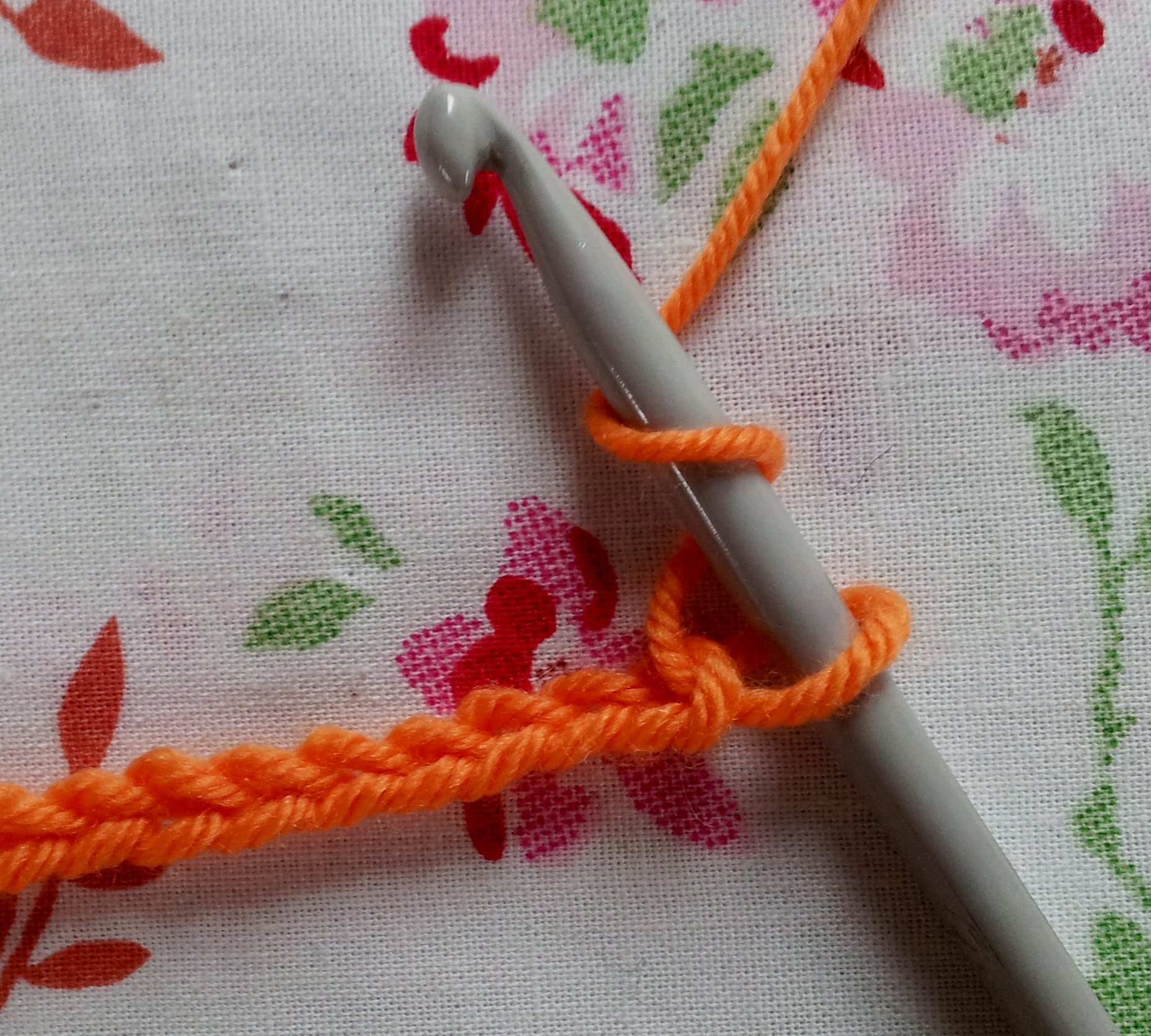
Anyone for crochet? The half treble (UK) or half double (US) stitch.

This ‘half’ business sounds complicated doesn’t it? Don’t worry, it’s fine. The steps below will have you half trebling (if you’re using UK terminology; abbreviation = htr) or half doubling (for our US hookers; abbreviation = hdb) in no time! The fabric produced with this stitch is great for baby garments as it is still firm like the UK double (US single), but a little softer to touch.

1. Once you’ve made your foundation chain, wrap your yarn around your hook then insert it into the 3rd chain from the hook.

Continue reading

Anyone for crochet? The treble (UK) or double (US) stitch

If you are like me and like your work to grow fast, you are going to love this stitch. It is quite soft and has a more open pattern so it’s great for clothes and accessories.

1. Once you have made your foundation chain, wrap your yarn around your hook.

Continue reading

Vintage Coronation Celebration Photos

Whilst rooting through some old photo albums to find some of my original makes to post, I’ve come across some amazing original photos of the Queen’s Coronation celebrations. As it’s the Jubilee Diamond weekend, I thought it would be fab to share this amazing find. The photos were taken in Chichester, West Sussex and are of a street party, cake and primary school celebrations. Continue reading

Anyone for crochet? The Double (UK) or Single (US) Stitch

As you will of probably guessed from the title, in the UK we call this a double stitch (abbreviation = dc) and our US friends call it a single stitch (abbreviation = sc). This stitch makes a firm, dense fabric which is why it’s good for making toys and containers. Continue reading

Anyone for crochet? The Slip Stitch

The Slip Stitch is the shortest crochet stitch and is used to join in new yarn, turn chain stitches into foundation rings and for moving ‘invisibly’ across your piece of work to get your yarn to where you want it.

It’s pretty similar to the chain stitch so you should have it mastered in no time! Continue reading